
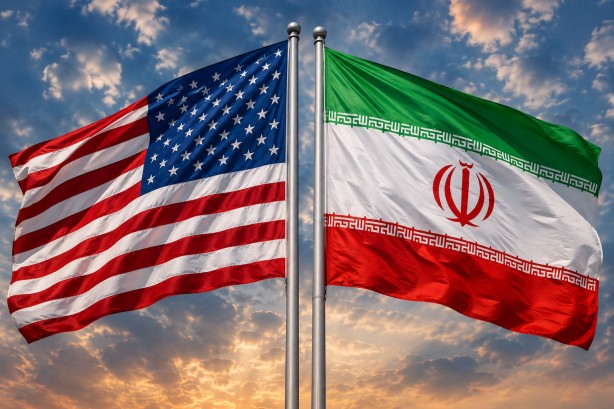
The United States and Iran find themselves in a heightened state of tension following a series of intense military exchanges. These developments mark the most significant escalation since both nations had agreed to an interim ceasefire just last month. The United States initiated a new round of airstrikes, targeting approximately 80 sites associated with Iranian military capabilities. According to US officials, this operation was intended to mitigate threats to navigation freedom in the Strait of Hormuz. The US action came on the heels of Iran’s targeting of three commercial vessels traversing this crucial maritime route.
In retaliation, Iran launched missiles and drones aimed at US military installations in Bahrain and Kuwait. Additionally, Iran unveiled a revised military doctrine, declaring that any future conflicts would see the United States and its regional allies treated as equal adversaries. US President Donald Trump responded by stating that Washington is ready to undertake further military actions if Iran persists in its attacks, though he expressed doubt about the conflict evolving into a long-term war.
The recent hostilities cast a shadow over the ceasefire agreement, which was crafted to facilitate negotiations on Iran’s nuclear ambitions, potential sanctions relief, and the establishment of lasting security measures in the Strait of Hormuz. Iran asserts its right to manage shipping activities through the strait, while the United States argues that the recent assaults on commercial ships breach international maritime security norms, thus justifying its military retaliation.
The global oil market has reacted to the renewed conflict with increased prices, reflecting concerns over potential disturbances in one of the world’s key energy shipping lanes. As the situation unfolds, the international community watches closely, aware that stability in this strategic region is crucial to global economic interests.