
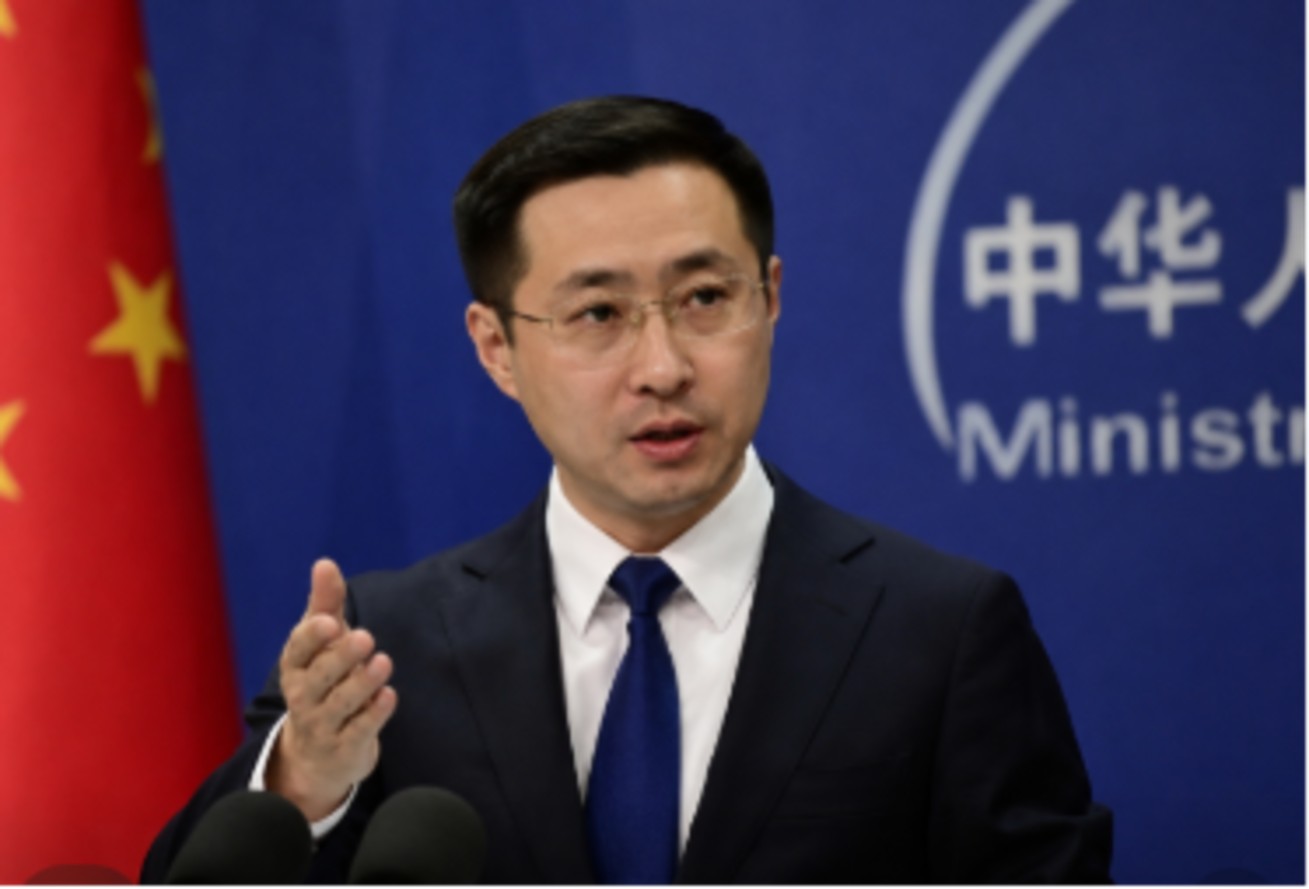
China has expressed strong disapproval of a proposed sanctions bill in the United States that aims to penalize major purchasers of Russian oil and natural gas. This legislative move has prompted Beijing to pledge protective measures to safeguard the rights and interests of its businesses. Lin Jian, a spokesperson for China’s Foreign Ministry, emphasized the nation’s firm stance against unilateral sanctions that lack the backing of international law or the authorization of the United Nations Security Council.
The U.S. proposal targets the largest global buyers of Russian crude oil and natural gas, with China among the key nations affected. This legislative effort is part of a broader strategy aimed at curbing the economic resources available to Russia, whose energy exports play a significant role in its economy. However, China’s response underscores the potential for diplomatic tensions as it views the sanctions as an infringement on its economic autonomy and an example of coercive policy.
Lin Jian highlighted the issue of double standards, warning that the use of coercive measures could ultimately backfire. By describing the sanctions as unlawful and unilateral, China reaffirms its longstanding opposition to such measures, which it argues are detrimental to international relations and global market stability. This stance reflects broader concerns about the impact of these sanctions on international trade and the geopolitical landscape.
The proposed U.S. sanctions bill represents a significant point of contention between Washington and Beijing, with potential implications for their bilateral relations. China’s rejection of the legislation aligns with its broader policy of resisting foreign interference in its economic dealings. As the situation unfolds, the global community will be watching closely to see how these developments affect international trade and diplomatic relations.