
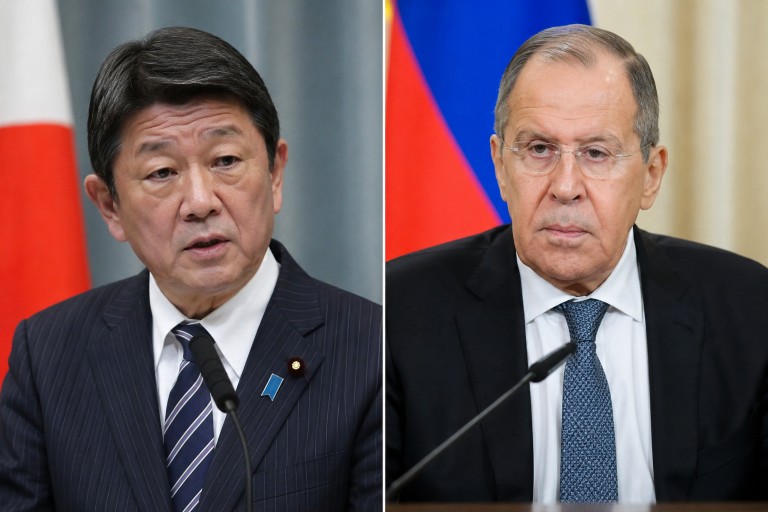
Japan’s diplomatic interactions with Russia have recently become a point of contention among its European allies as they prepare for the upcoming G7 summit. This divergence in approaches underscores the varying strategies employed by Western nations in dealing with Moscow amid the ongoing conflict in Ukraine. Some European nations have expressed unease over Japan’s recent dialogs with Russian officials, suggesting that such actions might undermine the unified Western effort to isolate Russia through sanctions and diplomatic pressure.
In late May, a delegation from Japan, including officials from the foreign and trade ministries and major business organizations, traveled to Russia. Their meetings with Russian counterparts focused on economic development and industry matters, with particular attention given to protecting the interests of Japanese companies operating within Russia. Japanese officials have defended these interactions, asserting the importance of keeping communication channels open, even during periods of geopolitical tension, to safeguard Japanese business assets.
The discussions have sparked a debate within Japan regarding its diplomatic stance, as the nation seeks to balance support for international sanctions against Russia with the need to protect its own economic and energy interests. Some political figures in Japan have argued for strengthening ties with Moscow, citing energy security concerns as a long-term priority. Despite this outreach, Japan maintains its alignment with G7 sanctions and continues to support Ukraine. Recently, Japan announced additional financial aid to bolster international assistance efforts for Ukraine, underscoring its commitment to the broader Western strategy.
Japanese leaders have made it clear that no high-level political meetings with Russian officials are in the pipeline. At the forthcoming G7 summit, Prime Minister Sanae Takaichi is expected to reiterate Japan’s support for Ukraine while addressing the apprehensions of European partners regarding Tokyo’s engagement with Moscow. The summit will likely witness close scrutiny of Japan’s actions as G7 leaders strive to maintain a unified stance on Russia, balancing collective diplomatic objectives with national economic and security interests.