
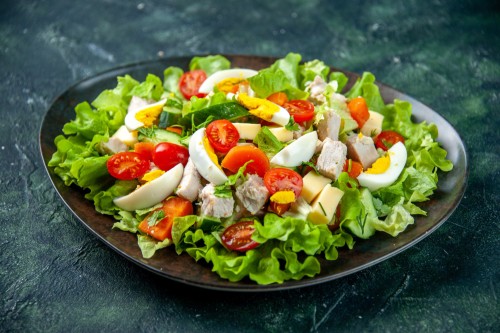
The common perception that salads are the fastest route to weight loss and improved health is widespread, thanks largely to their high content of fiber, vitamins, and minerals. However, depending solely on salads might deprive the body of necessary nutrients. Achieving a healthy diet revolves around maintaining balance rather than merely cutting calories. A meal that includes only raw vegetables like cucumber, tomato, and lettuce is indeed low in calories but often lacks sufficient protein, healthy fats, and complex carbohydrates—nutrients vital for energy, muscle maintenance, and the overall functioning of the body.
Traditional Indian cuisine inherently offers a balanced mix of nutrients. A typical meal comprising dal, roti or rice, vegetables, curd, and a small portion of salad provides protein, fiber, carbohydrates, vitamins, minerals, and beneficial bacteria, delivering a more comprehensive nutritional profile than a salad alone could offer. While raw vegetables are certainly beneficial, they may not be suitable for everyone. Individuals dealing with digestive troubles, bloating, irritable bowel syndrome (IBS), or specific thyroid conditions might find that lightly cooked vegetables are easier to digest. Moreover, cooking can enhance the absorption of certain nutrients present in vegetables.
Incorporating seasonal foods into one’s diet is also an essential aspect of healthy nutrition. For instance, during the summer months, items such as cucumber, watermelon, curd, and coconut water are excellent for maintaining hydration. Conversely, in colder weather, warm foods like lentils, soups, millets, and cooked vegetables provide comfort, energy, and nutritional support. To boost the nutritional value of meals, salads can be paired with protein-rich foods like paneer, sprouts, eggs, tofu, beans, or grilled chicken. Additionally, including whole grains such as roti, brown rice, or millets can enhance the nutritional content further.
Simple traditional dishes like vegetable khichdi, dal with rice, millet rotis with vegetables, vegetable upma, and curd served with roasted vegetables remain excellent options for those seeking a balanced diet. These dishes incorporate a variety of nutrients and are easy to prepare, making them both nutritious and practical. Ultimately, healthy eating is not about jumping on the bandwagon of every new food trend. Instead, focusing on a balanced meal that includes vegetables, protein, healthy carbohydrates, good fats, and seasonal ingredients is a more sustainable and effective approach to supporting long-term health.