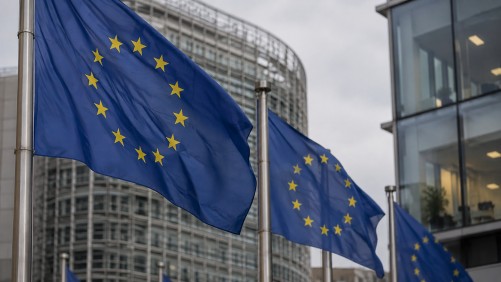
The European Union has decided to extend its extensive sanctions against Russia, maintaining pressure on the nation in response to its ongoing war in Ukraine. These sanctions, impacting nearly 3,000 individuals and entities, have been prolonged for 36 months, a significant increase from the typical six-month renewal period. The move is intended to bolster the stability and predictability of the EU’s sanctions regime.
Amid this broader extension, the EU has made a notable adjustment by removing Russian billionaires Alisher Usmanov and Mikhail Fridman from the sanctions list. This decision, influenced by requests from France and Luxembourg, respectively, has sparked criticism from Ukraine, which has voiced strong opposition to lifting restrictions on the two businessmen.
EU sanctions require consensus from all 27 member states, and the latest decision came as the bloc faced a deadline to renew the sanctions framework. The list continues to include prominent figures such as Russian President Vladimir Putin and Foreign Minister Sergey Lavrov, as well as senior officials, banks, energy companies, and entities associated with Russia’s defense sector.
While the removal of Usmanov and Fridman has caught attention, the EU is also looking to strengthen its measures by preparing additional sanctions. These forthcoming restrictions are expected to target individuals and organizations linked to Russia’s military-industrial complex, as the EU continues its efforts to curtail Russia’s military capabilities and economic resilience.