
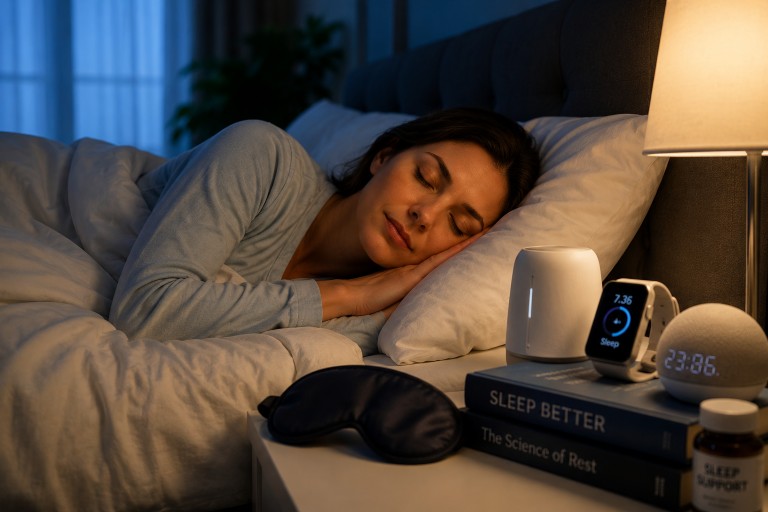
As the pursuit of better sleep gains momentum, a thriving industry has emerged around products claiming to enhance rest. From high-tech mattresses and weighted blankets to apps and gadgets that track sleep patterns, consumers are investing heavily in hopes of achieving a more restful night. However, experts emphasize that no amount of cutting-edge technology can substitute for the basics of healthy sleep hygiene. Factors such as stress, excessive use of screens, inconsistent schedules, noise, and untreated sleep issues can all persistently disrupt sleep, regardless of the sophistication of the devices and products used.
While a new mattress or a sophisticated sleep tracker can enhance comfort and provide insights into sleep habits, these solutions have their limits. Underlying problems like chronic stress, work-related anxiety, or health conditions require more than just consumer products to resolve. In fact, becoming overly reliant on sleep technology may add pressure rather than alleviate it. This is exemplified by the rise of “orthosomnia,” a condition where individuals become preoccupied with achieving perfect sleep, often by constantly monitoring data from sleep trackers, which can paradoxically increase anxiety around bedtime.
The expanding market for sleep-related merchandise reflects a growing awareness of the vital role quality sleep plays in overall health. This market now includes not only traditional sleep aids but also wearable technology, sleep-focused apps, and wellness programs. Furthermore, sleep retreats and wellness hotels are becoming more prevalent, underscoring a cultural shift towards viewing sleep as an integral component of well-being rather than mere downtime. Despite this trend, experts caution that gadgets alone cannot address deeper sleep issues.
Sleep trackers might offer a snapshot of one’s sleep patterns, but they cannot diagnose or resolve all underlying issues contributing to poor sleep. Stress from work, anxiety, late-night screen exposure, caffeine consumption, irregular schedules, and specific health issues can all negatively impact sleep quality. The online trend of “sleepmaxxing,” which promotes optimizing sleep through routines, products, and technology, has gained traction, yet experts warn against transforming sleep into a performance metric.
Ultimately, achieving restful sleep often hinges on maintaining consistent habits. Establishing a regular sleep schedule, engaging in physical activity, managing stress, and reducing screen time before bed can establish a solid foundation for better sleep. Creating a conducive sleep environment that is quiet, dark, and comfortably cool also plays a significant role. When sleep disturbances persist or are severe, relying solely on consumer products is not advisable. Professional medical advice should be sought for chronic issues such as loud snoring, sleep interruptions, or significant daytime fatigue.